
Suicide - 365 Lessons
featured in The Open Letters | by Janie Gill

From Janie Gill💌
My mum died when I was thirteen. Clinical depression and debilitating chronic illness eventually got the better of her. She took all the ‘Suns and Moons’ antidepressants she could get hold of, went to sleep and didn’t wake up.
I often read that suicide is impulsive, that if you catch someone before they actually do it they snap out of the desire to end their lives. That wasn’t the case with my mum. Her death was meticulously planned.
My brother was staying with a dear and trusted family friend several hours journey away in the South West. I was staying with my paternal aunt, who I would later live with for a time. We were in the safest places she could think of for us. Notably neither of us were with our dad.
In the days before it happened she conducted a series of interactions. She dropped off some baby clothes at her youngest sisters house, who was mid raging row with her partner and expecting their third child. She called my brother to make sure he was having a good time in the sunshine of the South West. She made a series of calls to friends and relatives who just thought it had been nice to hear from her. She came to my aunt’s house where I was staying, without notice, and asked me to look after a little box of jewelry for her. It was sparkly and pretty.
‘Why do you want me to keep it?’
‘I just want you to keep it safe for me for a while.’
Nobody questioned this further. But when she left we hugged, for a long time. A lingering warm hug. It was the first time in such a long time that my angsty teenage ego
had allowed such a soppy thing to happen. She drove away and something, something deep was unnerved.
The next day I woke up before everyone else in the house. My aunt had a corded phone that hung on the kitchen wall. The kitchen clock echoed loudly in the morning silence and I stared up at it for a long time. Something in me wanted to call her. The feel of her arms in that lingering hug was raising soft alarm bells in my mind. I even reached my hand up to brush the handset. I thought I should ask for permission first so I snapped out of it, I’d call her later, when my aunt was awake.
A couple of hours later she was dead. My dad turned up in the living room while I was lounging around watching TV and told me she was dead. It was April 1st, April fools day. I choked out asking if this was some kind of joke but it wasn’t. We packed up my stuff and walked solemnly past my horrified aunt and uncle and into the car to go and get my brother. In the car my dad rambled words at me I didn’t hear. They were endless white noise. I couldn’t do anything but stare at the space in front of me.
It was the only time, since I bit him on the leg to try and get a Skeletor doll that I saw my brother cry. When we picked him up at the train station he stood outside waiting. He silently got in the car and the journey carried on in silence. They weren’t gulping or dramatic tears, they were worse. Silent pain slipping down a defeated face.
The weeks and months after the death of our mum remain a blur to me. It’s not clear in what order everything happened but key events will forever be scorched into my soul.
We drove straight to her flat, the same place she had been found dead. Her boyfriend sat over the dining room table, a shell of himself. Her younger sister flapped around squeezing us as tightly as she could and picking up things that were soft or smelled nice. I played with a scrunchie that she wore around the house when she wanted
her unruly curls out of her face. It was covered in little buttons.
Adults comforted each other saying things like ‘you couldn’t have known’ whilst also berating themselves with ‘I should have called’ or ‘I should have seen.’ There would be months, if not years, of these kinds of conversations. People in my life running over it all again and again and again trying to reassure themselves that there was nothing they could have done, that it wasn’t their fault. Telling me it wasn’t my fault too which I always instantly thought ‘I didn’t think it was my fault thank you very fucking much.’
Death is sad, tragic, a known difficulty. But suicide is a level of uncomfortable that people simply don’t know how to process. If we had all stitched together the pieces of the puzzle she so carefully separated, would we have worked it out? Maybe. But she did everything she could to make sure we didn’t. Eventually I just patiently waited for the collective reassuring to conclude when those conversations rose up around me, not wanting to keep carrying the weight of feeling responsible for making adults feel better about a shitty situation.
When it came down to it, I didn’t feel the same way as them either. Whilst it was crushingly sad and horrifyingly painful, I didn’t see it as a senseless waste that they could have stopped if they’d just given her a shake. It wasn’t that simple. For years I’d seen her struggle under weight of her illnesses. Trying to live in a body that had been so battered by childhood neglect it wasn’t equipped for the brutality of adulthood. She had been more than exhausted. Life hurt her. And she wanted it to stop. At the time, she needed it to stop.
There have been people in my life who asked if I was angry with her. Thought her selfish. And the only anger I had was at them for having the ignorance to ask such a fucking awful question. I always tried to give them grace and understanding that they were lucky enough not to understand the situation, either for me or mum, but it didn’t stop me being tempted to kick them in tits. What would have been selfish was making her live in agony for our sake.
In a different life maybe someone would have come home in time to call an ambulance. Maybe I would have picked up that phone and my voice would have stopped her from unpacking those pills. Maybe she could have seen us grown up into fully functioning adults, been at weddings, enjoyed her grandson. But maybe she would have tried again and again and again.
Maybe is useless.
The first few days after she died I was largely numb. I couldn’t eat because I couldn’t feel hunger. I couldn’t feel anything. Then slowly the grief bloomed. And it was visceral, agonizing and overwhelming. For months I would cry myself to sleep begging for something, someone, anything just to make it stop. Other times I would feel so far removed from the reality of everyone else around me that I would hold scissors over my skin, wondering if I plunged them in and felt pain I could at least prove to myself that I was alive. That blood ran out of me still. This didn’t fade with time like I was told it would. There wasn’t a carefully structured cycle I could neatly tick the stages off until I’d completed it and could move on. It didn’t end, I just got used to it. I started to eat again. I was able to go through the motions of life and eventually people decided ‘I was fine’ and left me to it.
Years later I learned that there are whole programmes available to children of dedicated grief counselling. That the school would have offered it. That social care could have stepped in. That there are entire programmes supporting teens affected by suicide. None of this was offered to me and it feels now as though I were deprived of genuinely life saving support and I can’t for the life of me understand why. All of those rambling words that spilled out from my dad in that car journey actually were just white noise. Just meaningless air.
Even now people don’t know what to say when they find out your mum died by
suicide. When you’re a child people ask about your parents a lot. People ask where your mum is or if she’s coming to collect you. They encourage you to do or buy things for Mother’s day. This doesn’t stop until you are well into your adulthood. And so you have to tell them she’s dead. And then you have to manage the fact that you’ve just made them feel awkward as shit. Then they ask how she died and you tell them she killed herself they feel even more awkward. They don’t know what to say. Why would they? It becomes easier to lie than to carry the weight of their awkwardness. It isn’t their fault after all. So I always just said she was sick and she died. And I still do.
About the Author:
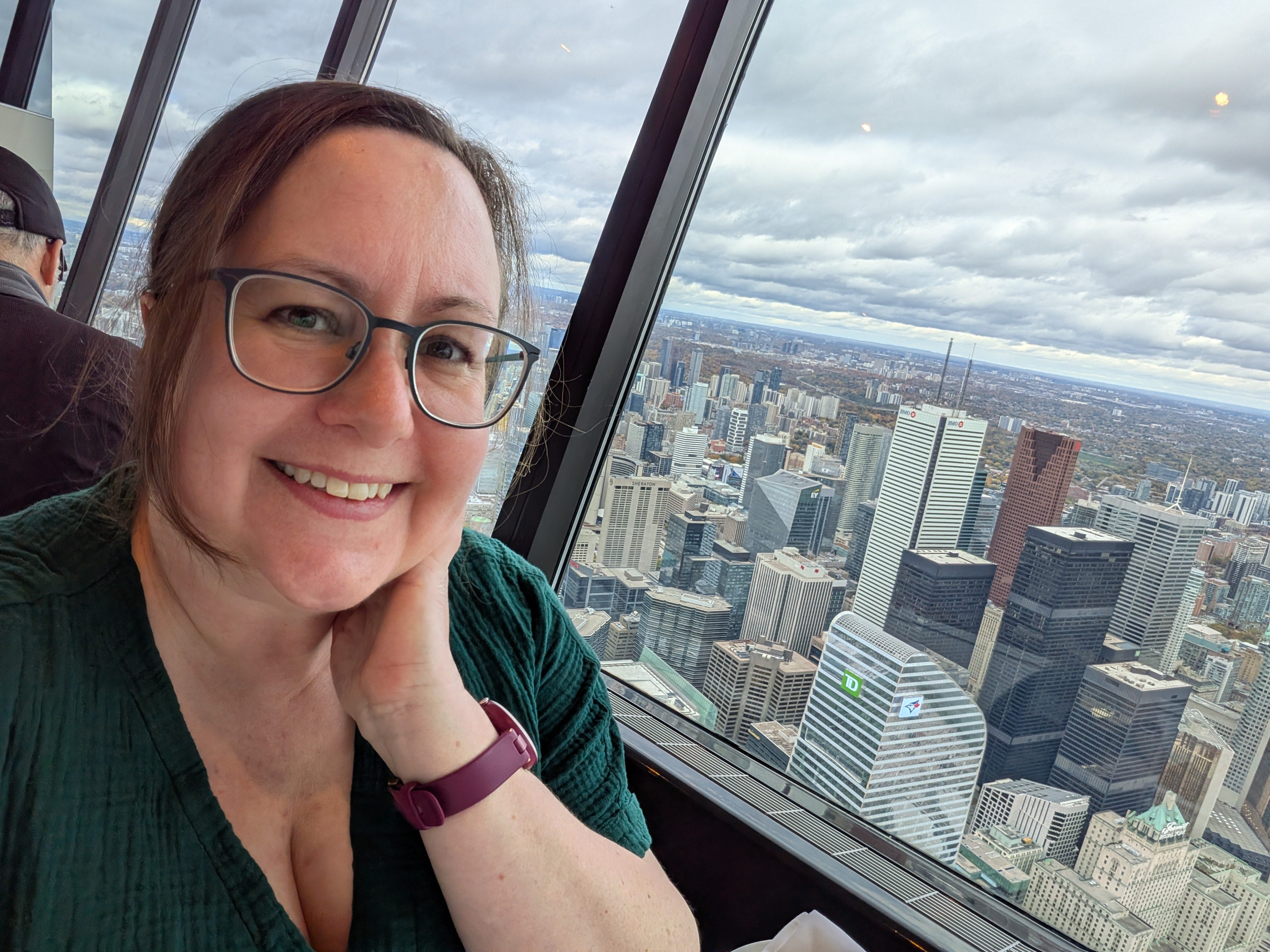
Janie Gill is a lifelong writer whose work spans poetry, long-form fiction, and creative nonfiction. Alongside a career of more than two decades in the UK public sector much of it spent reading exceptionally long and decidedly unglamorous documents she has continued to return to writing as a way of making sense of life’s complexities. Her interests include drumming, metal music, American football, and yoga. Her series 365 Lessons explores the loss of both her parents under very different circumstances, reflecting on grief, resilience, and the lasting ways loss continues to shape a life.
Substack ID: Janie Gill
Have something to share? Submit your own reflections or stories to be featured in The Open Letters. Send your work to hasifnewsletter@gmail.com. For more details, check out this post: Submit your Essays and get Featured.
Hasif,
Editor-in-Chief, The Open Letter
I'm so sorry for your loss.
As someone who's been dealing with Major Depression for half a century, I see great kindness in your statement, "What would have been selfish was making her live in agony for our sake." You have a deep understanding of this disease, and it hurts my heart how dearly you've paid for the knowledge. Thank you for your beautiful, vulnerable, tender words.
Thank you for sharing, there needs to be more writing like this & to show that suicide is not a taboo subject