
The case against pathologizing human experience
featured in The Open Letters | by Sam Summerfield

From Sam Summerfield💌
“You’re so emotional”
Oh, well, thank goodness for that.
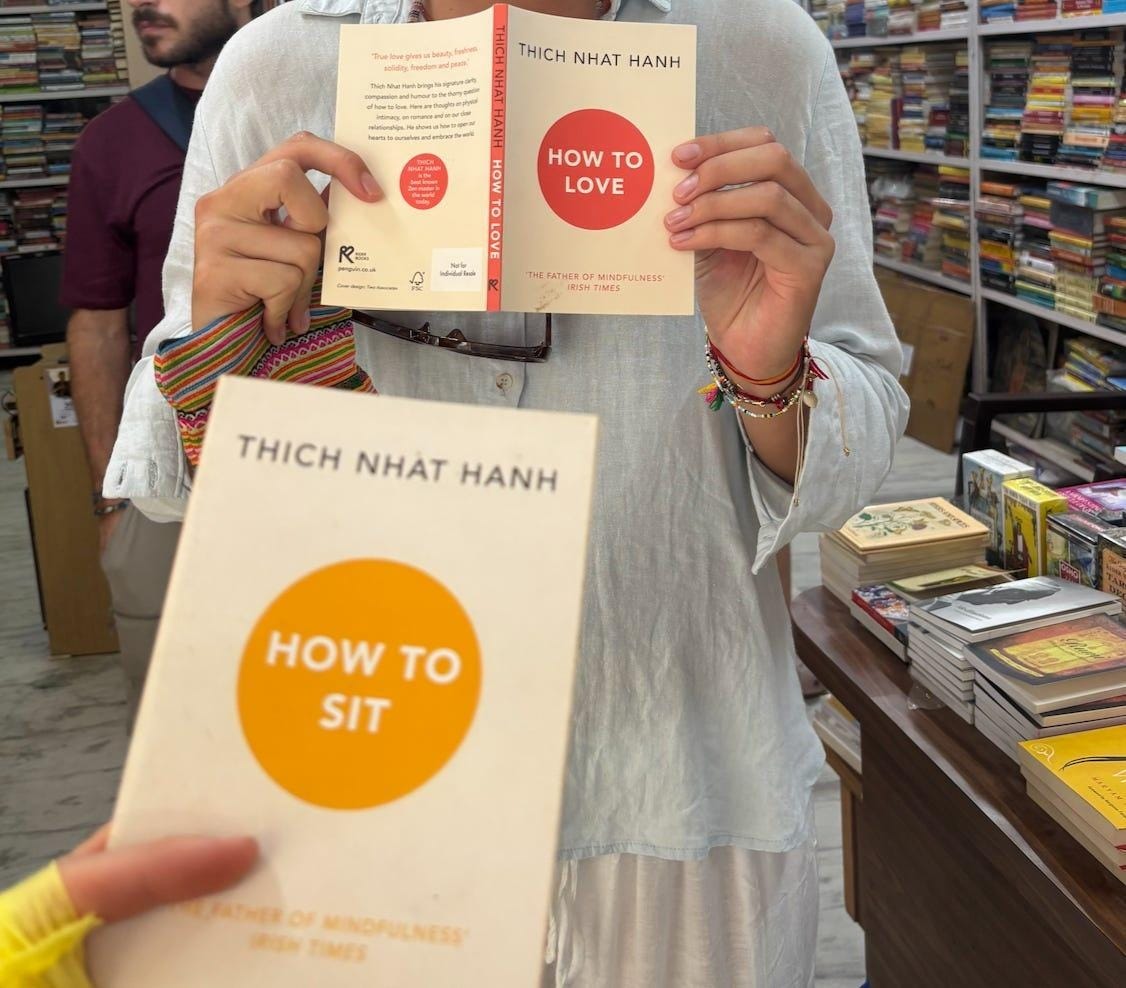
The idea of being ‘emotional’ is interesting, and potentially somewhat westernised. Eastern yogic philosophy simply views emotions as energy moving through the body. Not something to be judged, merely experienced and noticed.
They describe the human heart as an organ that puts one in ‘trouble’ to allow the development of courage to deal with the inner self, so that healing can begin. ‘Heart-led’ (as opposed to intellectual) behaviours / emotions / memories allow processing and therefore healing. The heart is curious about emotional trauma; it doesn’t see it as negative. Thus, yogis must satiate this curiosity, allow the heart to express itself, and once this curiosity is met by letting yourself feel, you can let go of things.
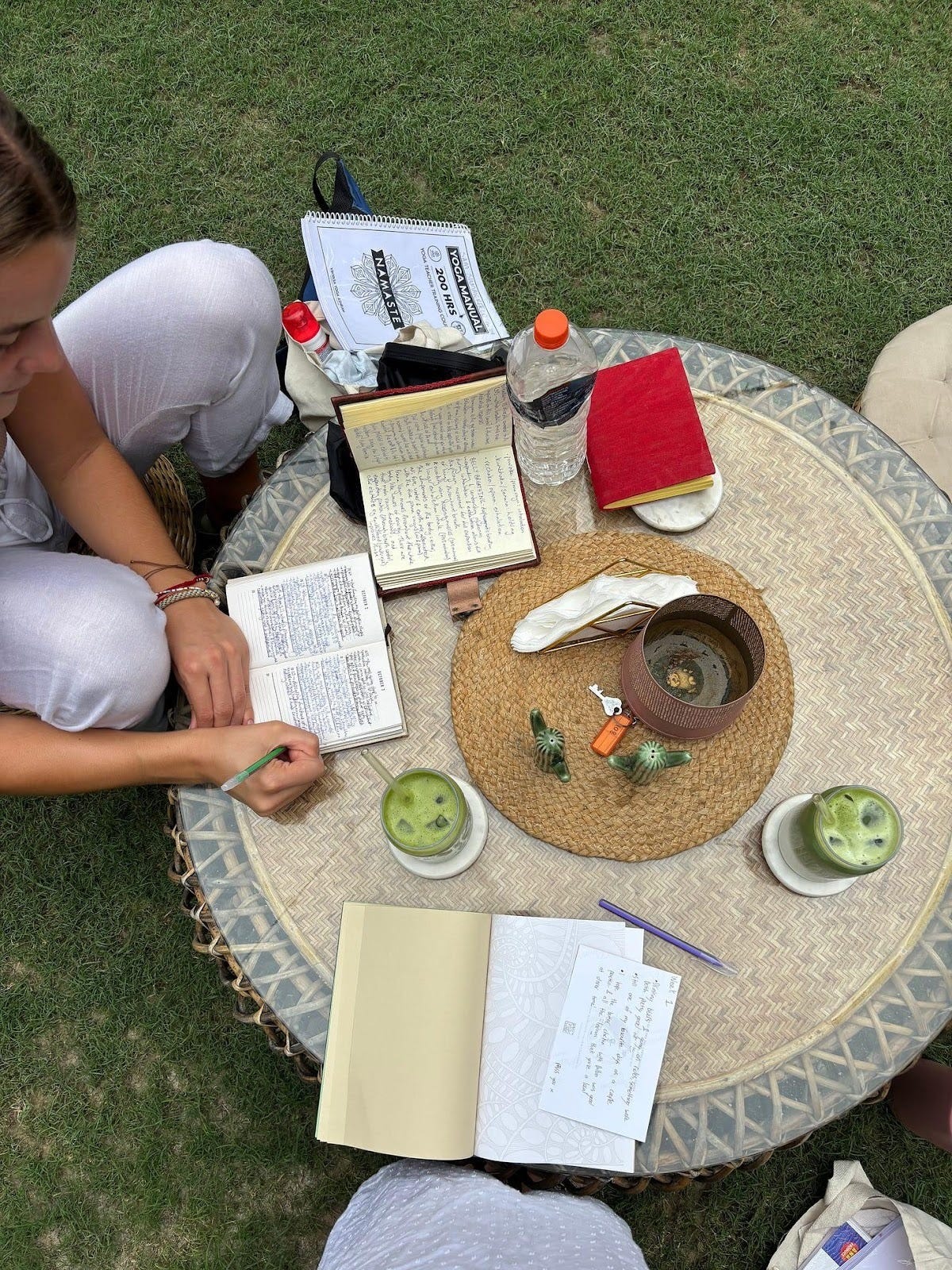
In contrast, the experience and expression of human emotion are somewhat pathologised in Western culture. ‘Emotional’ has become synonymous with sensitive, unhinged, unstable, etcetera. I believe the perspective on an ‘emotional soul’ can and does range widely. One person may consider someone to be ‘too much’, ‘interesting’, or ‘not relatable. In contrast, this quiet corner of the internet is overflowing with self-described ‘emotional’ female authors creating incredible art in the form of writing. I follow multitudes of women who write in ways I know could never be expressed by someone who doesn’t experience every aspect of their universe with a sense of weight and depth.
There are many quiet strengths that come from being ‘emotional’ or ‘vulnerable’. Alongside creating art, relating to art forms such as literature (substack pieces, poetry, novels), music and films. I can firmly say my experience of listening to moving indie music feels more significant than the surface-level enjoyment of house or surf rock. I adore crying in movies, falling in love with book characters, and not being able to move for a moment after finishing a Substack piece that finally put into words something I’ve been feeling for years.
I believe emotional beings are also far better at relating to others; deeper levels of empathy and understanding seem much more within reach. I often toe this line with patients, understanding their suffering because I’ve been there, rather than offering ‘I could imagine’ which often falls short. Sitting with someone in their suffering is both a skill and an art form, and a courageous heart is built from coming out of those spaces oneself.
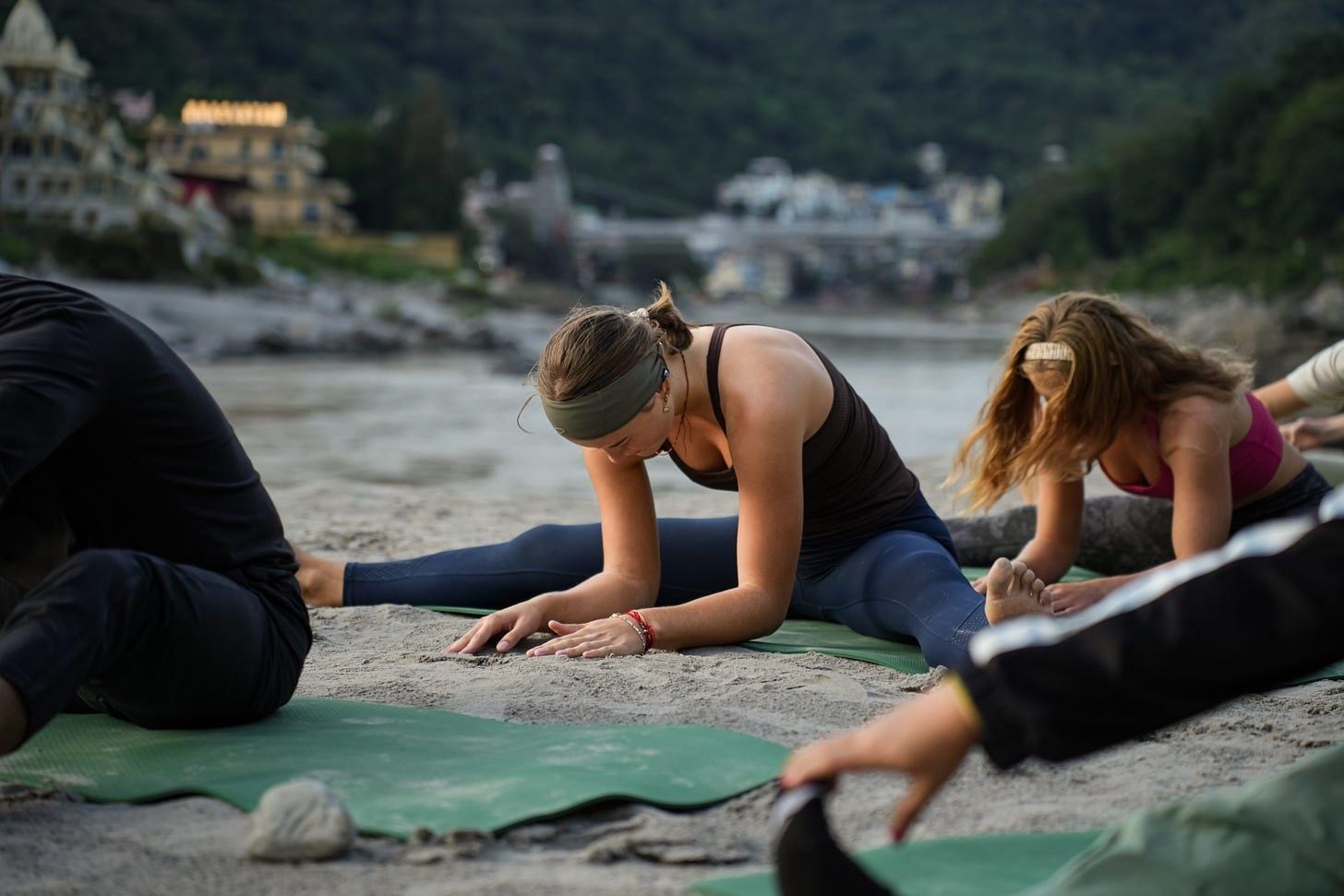
I believe the depth of my emotional spectrum also crucially enriches my day-to-day experience; the joy of warm coffees and tiny moments of connection. I keep a running tally in my notes app of ‘moments I’d like to bottle’ that I add to whenever something makes my chest warm. Some examples of entries are;
lifeguarding the 1-year-old baby who came in for his first-ever swim at the pool
seeing my first ever foetal heart ultrasound in the emergency department
seeing Saturn’s rings through the telescope, stargazing in Chile
I tend to love very deeply as well. This can be exquisitely painful when misplaced, but absolutely everything in the right hands. I’ll fall in love with tiny mannerisms and the way they have their tea. I’ll remember things they murmured in my ear months ago at 2am, and see them everywhere in my day.
In general, throughout all my relationships, I tend to care a lot, remember a lot, and connect deeply. I much prefer one-on-one conversations to large group settings; always the one yapping someone’s ear off for hours in the corner at the party. I also carry a lot of longing and nostalgia for past events, as well as things that haven’t even happened yet.
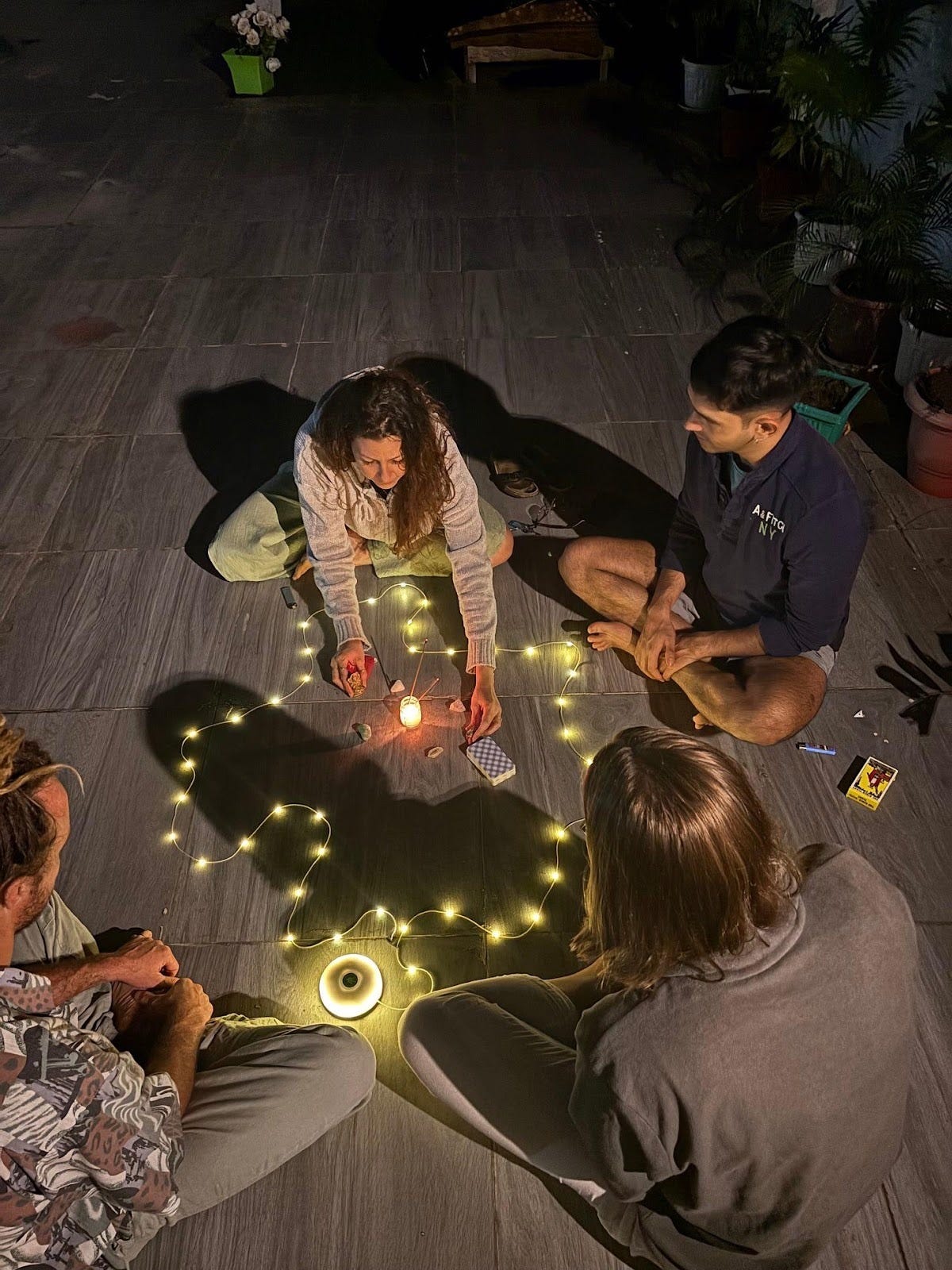
However, the flip side of this spectrum can be hard and uncomfortable. It shows up in small ways, like always crying in movies or during hard goodbyes. Sometimes it’s heavier;
Crying when terrible things happen to patients I only met that day, being overcome by how painful losing people is, or falling in love deeply with people who don’t have the capacity to love me properly.
My brain requires a lot of regular uptake to function well – eating well, sleeping enough, good sleep habits, and spending enough time with my loved ones. I am very capable of starting to feel like I’m not managing as well if these things fall by the wayside.
On good days/weeks/months: I am an empathetic, kind person who writes passionately and feels warm when she sees cute babies. During more bumpy times, even whilst I’m still functioning at a high level, my entire being starts to feel heavy. Luckily, I have learnt to be very disciplined with looking after myself well, I know what I need and what to avoid to maintain in that manageable first category (most of the time).
It’s not terribly difficult to ascertain why I am this way. Both sides of my family dabble in addiction (alcohol, smoking, work) and mental disorder (bipolar, anxiety, depression). I can imagine that genetically, my brain is rather prone to perceiving everything that’s happened to me in a more pervasive manner than someone else’s might. I am incredibly grateful and lucky that so far, though, it seems to be just teetering on the edge of manageable (and often, helpful).
Access to excellent education, a reasonably functional household growing up, and other excellent genetics have really rounded things out. So yes, whilst I do err on the side of being rather emotional, it’s wrapped in other flavours of aspiring to remain motivated, intelligent and disciplined. I’m also incredibly curious as to why I am this way and how I can improve / continue to function well. This facilitates a level of self-awareness that has gotten me reasonably far.

The first run of my last year of medical school was psychiatry. I find this area fascinating (and at times, very heavy). Psychiatrists aim to reduce suffering, as do all doctors, but it’s much less straightforward. Pneumonia that appears on an X-ray is typically easy to treat with antibiotics. However, patients may be suffering from many reasons for which no clinical test exists. This often presents in the manner of a normal human experience, such as emotion, worry or attention span extending to more extremes that become distressing.
For example, getting bored easily becomes an inability to run one’s life or plan anything in ADHD. Feeling sad becomes an inability to enjoy anything, concentrate or sleep properly in depressive disorder. And normal worry becomes pervasive, disproportionate, consuming thoughts in anxiety disorders.
Drawing this line becomes incredibly difficult and relies on the judgment of both the patient and the clinician. The diagnostic criteria for mental disorders (DSM-V) always include ‘interrupts functioning / negatively impacts life’. Because one person’s ability to switch between five tasks at once may be incredibly useful if they are an emergency department doctor, and another’s nightmare if they are trying to work a desk job. Tearing up at the end of a yoga class after somatic release might be soothing for one and disturbing for another. Worry may motivate one to work harder and achieve highly, and another to collapse in a pile of overwhelm. A constant internal monologue may be experienced as interesting for one who is constantly writing and talking, and insufferable for another who wishes for peace and quiet.
Often, the environment and other personality traits very much dictate one’s experience of their own psyche.

Psychiatric disorders are always described as clusters of symptoms rather than singular experiences; this is often misunderstood by the general public. Sadness does not always equal depression if your eating, sleeping and view of yourself remain unaffected. Worry does not always equal anxiety if you aren’t experiencing bodily symptoms or worrying about the worry. And poor concentration doesn’t always mean you have ADHD.
The tolerance for sitting with distress has become a lot lower alongside these misconceptions. Awareness of mental ill health is incredibly crucial, and I feel very strongly that everyone deserves to feel and function well. However, the role of treatment should be assessed when looking at singular symptoms. For example, the treatment for mild depression is lifestyle changes – eating well, sleep hygiene, social relationships, etc. Feeling sad occasionally does not require medicating, whereas an inability to get out of bed to do the things that make you feel better might.
However, emotions feel bloody uncomfortable sometimes, and I understand that. I often think that the secondary shame overlaid on top of these emotions is what makes them so distressing for people. I spent a lot of time on my psychiatry run reassuring patients in the hospital that it was completely normal to feel down when they were entirely out of routine / away from family / not able to exercise and eat well, or that worry about their health was not in fact a disorder and was in fact completely valid considering they were incredibly unwell physically.
The role of a good psychiatrist is to toe the line between sitting with and experiencing versus diagnosing and medicating. It is very uncomfortable to sit with someone in their suffering without offering a simple fix for them to feel better.However, interrupting functioning is a core criterion of the DSM-V because the pharmacological treatments of mental disorders carry their own side effects and implications. They are incredibly warranted in a lot of cases. However, in other patients, the exercise and lifestyle change is a much more efficacious approach. Divorcing a terrible husband will do a lot more for your mood than an antidepressant, I promise.
My supervising psychiatrist explained simply that psychotropic medications work best when people don’t have a reason to be sad. However, when they do, addressing that is a much more important treatment approach. This can be very tricky when you begin to run up against systemic political issues such as poverty, lack of education and access. However, sitting with someone and educating them enough to empower them can be very healing. Often, getting more sleep, finding a more purposeful career or reaching out for social support is what they actually need, not a diagnosis or medication.

‘Somatisation’ is a fascinating concept also. I am personally well familiar with the idea that your brain is very capable of communicating its distress to you in physical manifestations. Headaches, abdominal pain, pelvic pain, fatigue, these generalised symptoms can feel pervasive and create confusion. It’s very crucial to differentiate between pathological pain that may indicate disease, and simple signals that my body would like me to slow down / get out of a situation. I understand that discerning this is much trickier without a medical background, and that physical health can be a very scary subject. However, empowering yourself to understand your body and what it needs goes a long way here. This is often the difference between ‘this is a normal symptom I’m used to’ versus ‘this is longer / more severe / accompanied by other symptoms’, etc.
Regardless of the origin of these symptoms, keeping yourself physically well will always be helped by the basics: sleeping well, eating well and exercising regularly.
Pre-menstrual syndrome (PMS) is also a fascinating (and often, horrendous) area of psychiatry and medicine (although sadly, it is poorly researched, as are many female conditions). The massive drop in hormones prior to menstruation and how your brain interprets that can be extremely disturbing and very visceral. Low levels of progesterone and estrogen in the days before your period lead to decreased levels of serotonin and GABA dysfunction, resulting in symptoms such as mood swings, irritability, low mood, and physical effects such as headaches and fluid retention, etc. Often existing mental health conditions are worsened during this time – same with menopause and post-partum (other times where hormones fluctuate heavily). In cases of premenstrual dysphoric disorder (PMDD), the week before your cycle can include rage, severe depression and in severe cases, suicidality. In both PMS and PMDD, these symptoms will resolve swiftly with the arrival of your period.
Does knowledge that this is what’s happening make it any easier? Are 3-4 days of symptoms per month simply ‘part of life’ or worth treating?
I find this area of medicine to be massively underaddressed and often dismissed. If these symptoms are unmanageable and/or distressing, they deserve to be addressed, as in any other mental disorder. Often, hormone replacement during only these few days can make a huge difference – something very worth exploring with your family doctor if you struggle with this.
Personally, I also believe strongly in labelling and spreading awareness of this; telling people “I get really bad PMS” rather than dismissing myself as being “emotional just because I’m about to get my period”.
In general, staying on top of feeling good and functioning well and in an area of good mental health is a rather multifaceted experience.
Living in a values-based way, “am I still able to be kind / show up for my friends”, being disciplined and organised (making time to look after yourself and your core physical needs, and routine all help. Knowing yourself and knowing when to ask for help is also very important.
Sometimes you need a little bit of help looking after yourself, and that’s okay.
Consider where you could go for this – friends, family, psychologists, etc.
Would I rather feel less deeply? I don’t think so.
Then again, I’ve never been in someone else’s brain. I also think it depends on the stage of life you’re in. A sensitive, moody girl writing Substack pieces about falling in love too deeply in her 20’s probably won’t feel the same about her emotions as a tearful mother overwhelmed by raising three kids. Vulnerable times would also include situations where you can no longer keep up good habits to support your mood (being busy with work, life expectations, etc.), being physically unwell, or times of hormonal fluctuations, as I discussed earlier.
I personally believe it’s so lovely to feel this deeply. To connect with people, to create art from these experiences. However, knowing when to ask for help, when things are becoming unmanageable or slipping into pathology, is key. There should be no shame in that either; it’s all sliding up and down the same spectrum.
Things I have found to help my sensitive brain;
Never apologise: sensitivity is a strength (my NICU consultant told me this after I told her I got emotional after the neonatal resuscitation simulation)
Nailing the basics (this is the first line for most mental ‘disorder’ anyway): sleeping enough and well, exercising regularly, eating well, and social connection. If I wasn’t or someone couldn’t (life circumstances, access, etc.), this is where something like medication might become useful if things are feeling unmanageable
THERAPY; access is again huge here. However, if you can, understanding why you are the way you are is invaluable and makes things a lot less painful. Emotions no longer drown you when you understand they are simply reactions to needs being met. Unhelpful patterns become easier to escape when you realise why you are pursuing them in the first place. EMDR and CBT take a LOT of the edge off mental distress and traumatic histories that are often difficult to manage otherwise.
Consume carefully: long-form media, podcasts, etc., instead of social media. This helps a lot with reducing comparison and putting unnecessary pressure / expectations on yourself
Creative outlets: writing, creating yoga flows
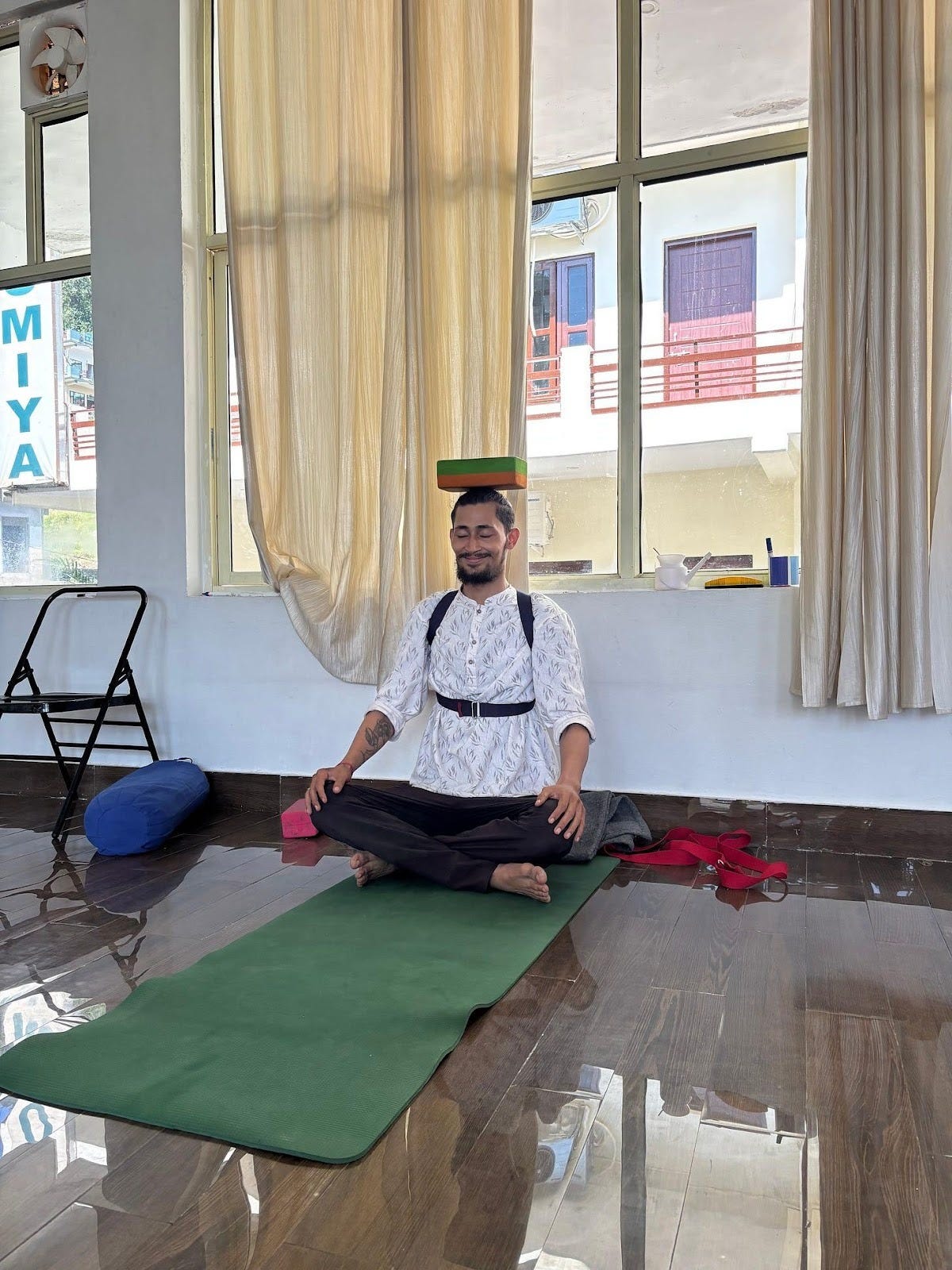
Meditating; this helps me a LOT. Allows me to be mindful, e.g., ‘I’m noticing that my brain is busy today / I’m thinking about him again’ without judgement. A skill that needs a lot of ongoing practise
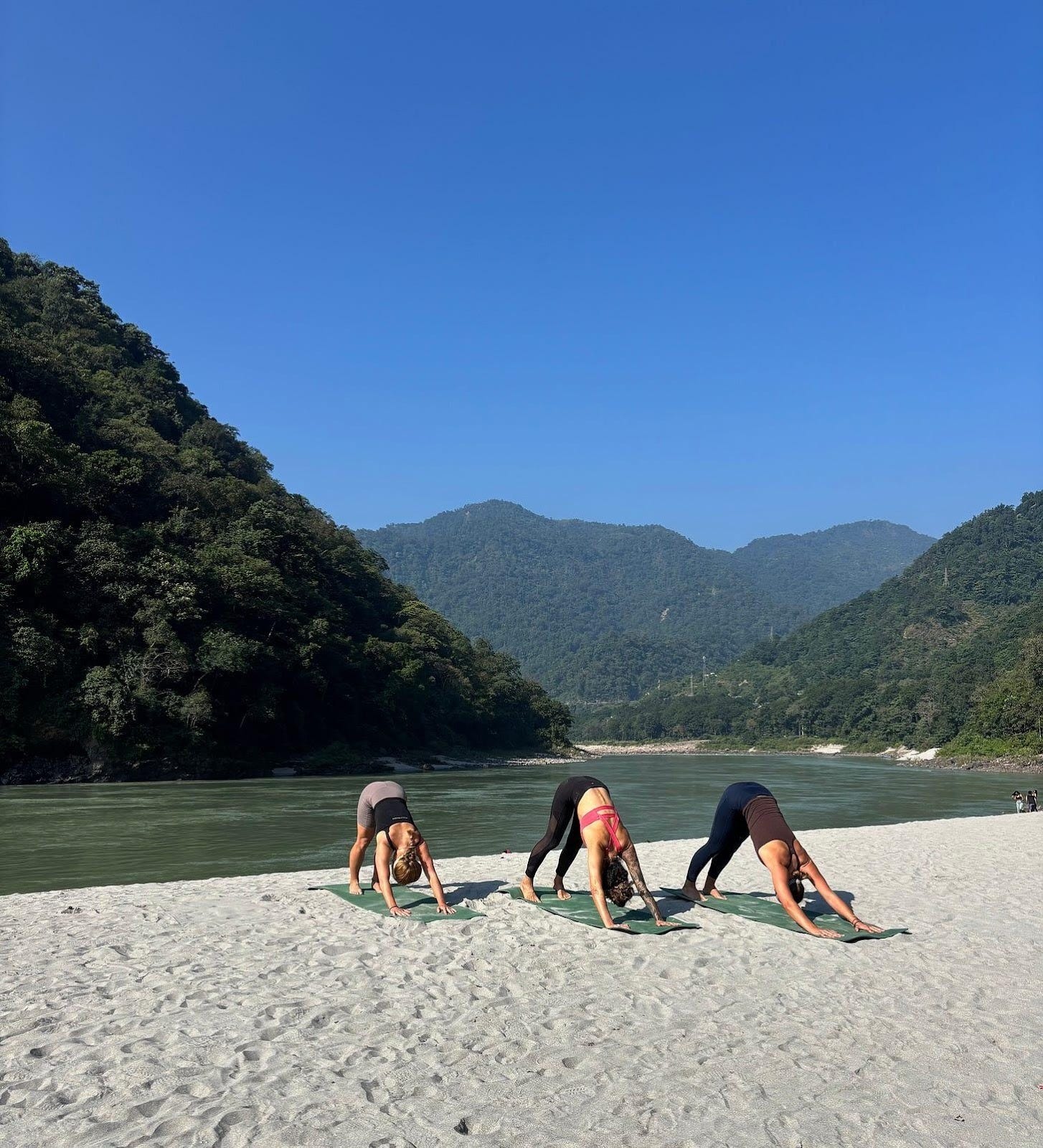
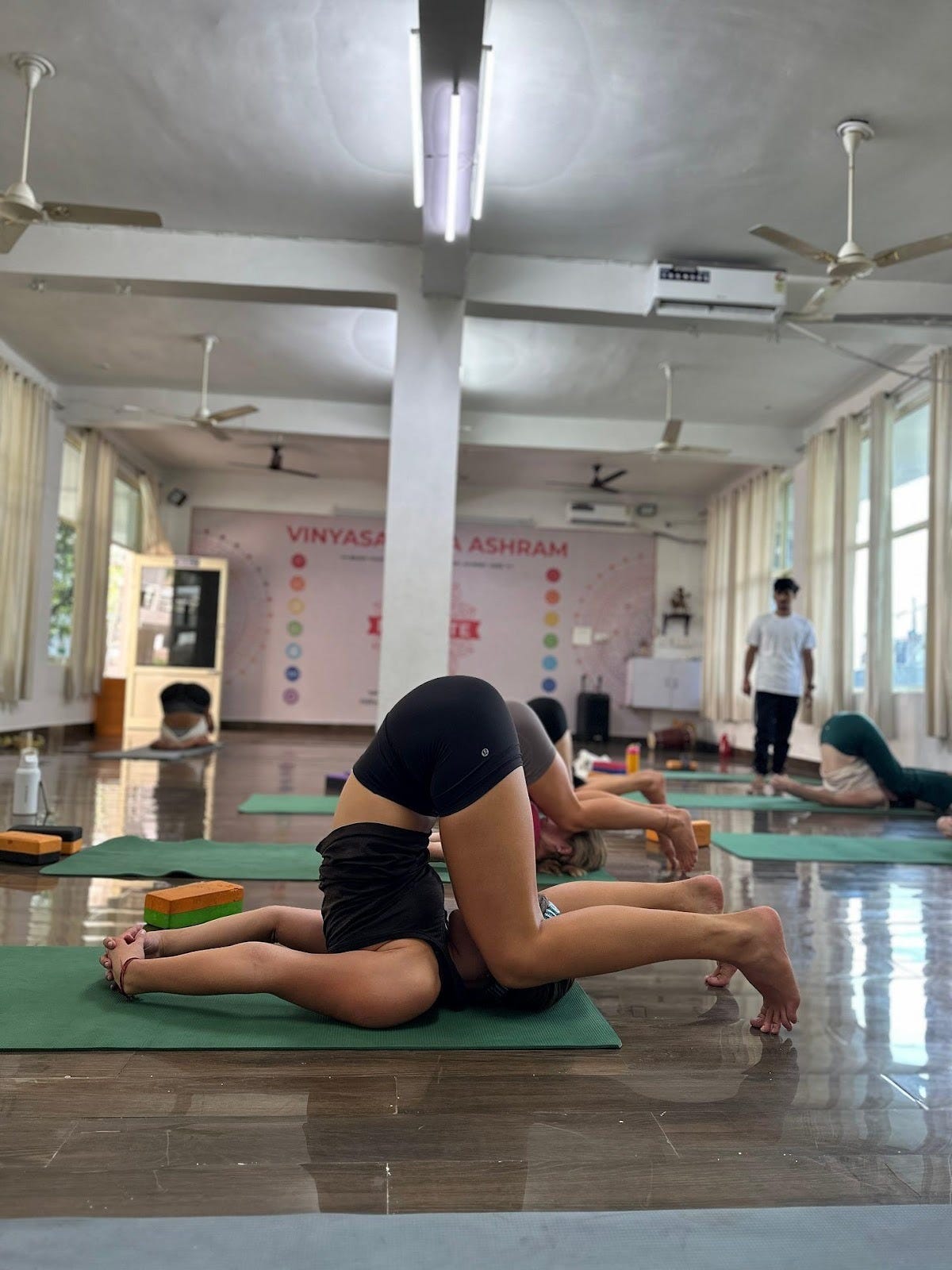
Lots of yoga; yoga is kind of the only time my brain goes quiet. I can feel my body releasing things it’s been holding onto (especially during hip openers), and moving with my breath has special superpowers.
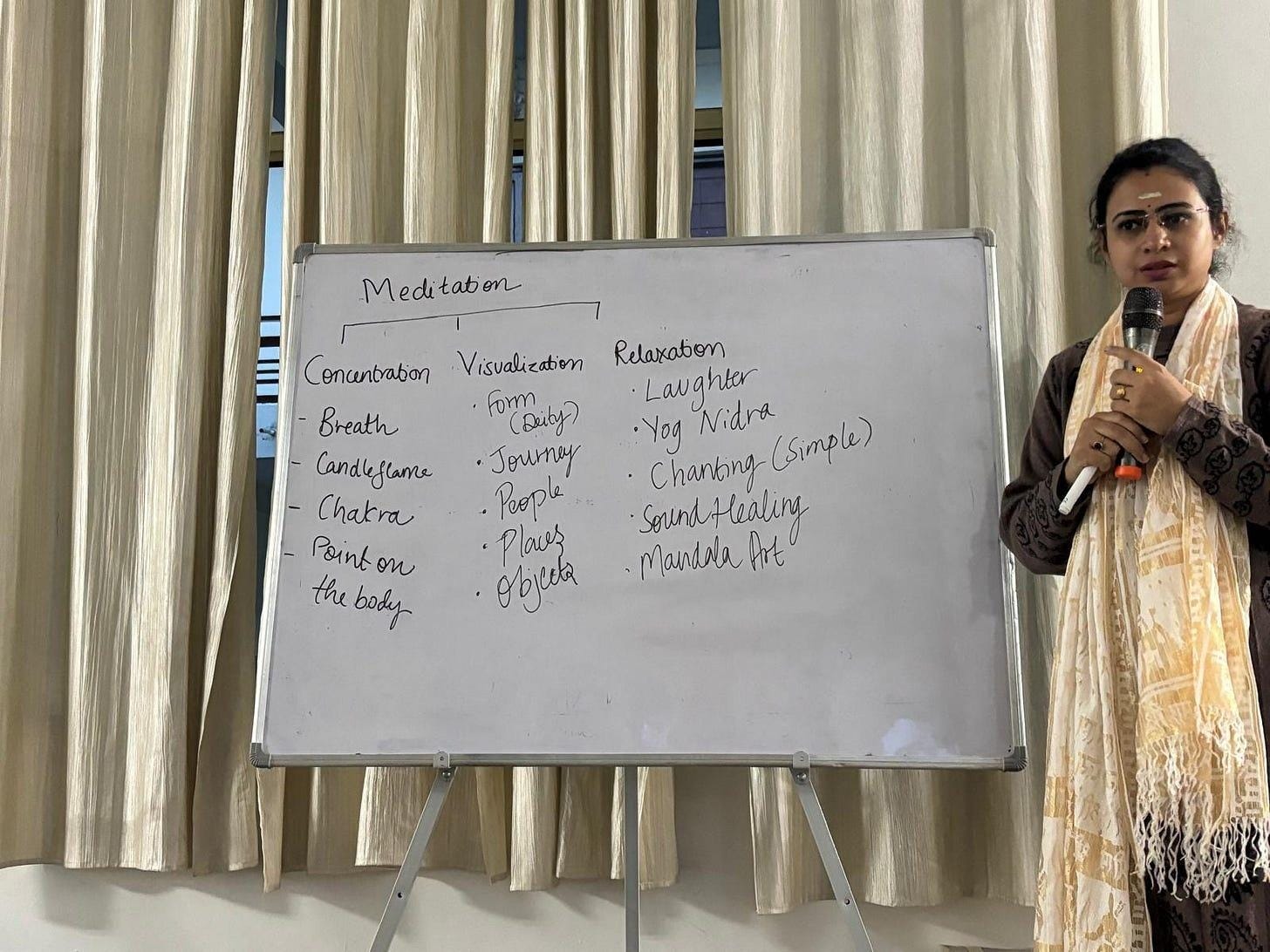
From my yoga teacher training: “In practise this looks like sitting with stillness and seeing what comes up, observing without judgement. Not seeking intellectual explanations for your experience. Yoga is to ‘deal with yourself’, not run away from it. To meet the divine (energy / emotion) shakti head-on with gratitude and embracement.”
PMS; in NZ, evidence is mostly for specific hormone replacements (drosperinone-containing COC, unfounded currently), although replacement with natural hormones cyclically, e.g., Estradiol patches (with endometrial protection in the form of progesterone) is also highly effective. Worth perusing / asking your family doctor about if it feels like something that is affecting you.
Somatisation – an app called ‘curable’ has great meditations and writing for pain. Low-impact exercise and belly breathing (legs on the wall, hands on your belly, breathe into it for a few minutes a day) are also super helpful
Trying to avoid putting yourself in emotionally unsafe situations; being with people / places where big feelings aren’t welcome or received with warmth, etc., know yourself. Know what you need, ask them. Ask for more; ask for feelings, ask for explanations. Know when to leave if you aren’t getting these (it’s more painful in the short term, but a hell of a lot less painful in the long term)
Knowing when things are flicking over into becoming unmanageable and asking for help; Recently (after almost a year and a half without therapy, when I went on my gap year / the first few months after), I was struggling quite a lot with my PMS and feeling like I was hitting walls working on some unhelpful core beliefs. I emailed a psychologist in the city I’m about to move to and managed to spell out explicitly, “I’m struggling a little bit at the moment”. It felt very powerful to label. I’m meeting with her in a few weeks (and am very excited about it). Sometimes I need a bit of help looking after myself. I know what I need to do personally, but also exploring those options of support - starting with core friends and family, and understanding the value of external mentors and psychological support.
About the Author:
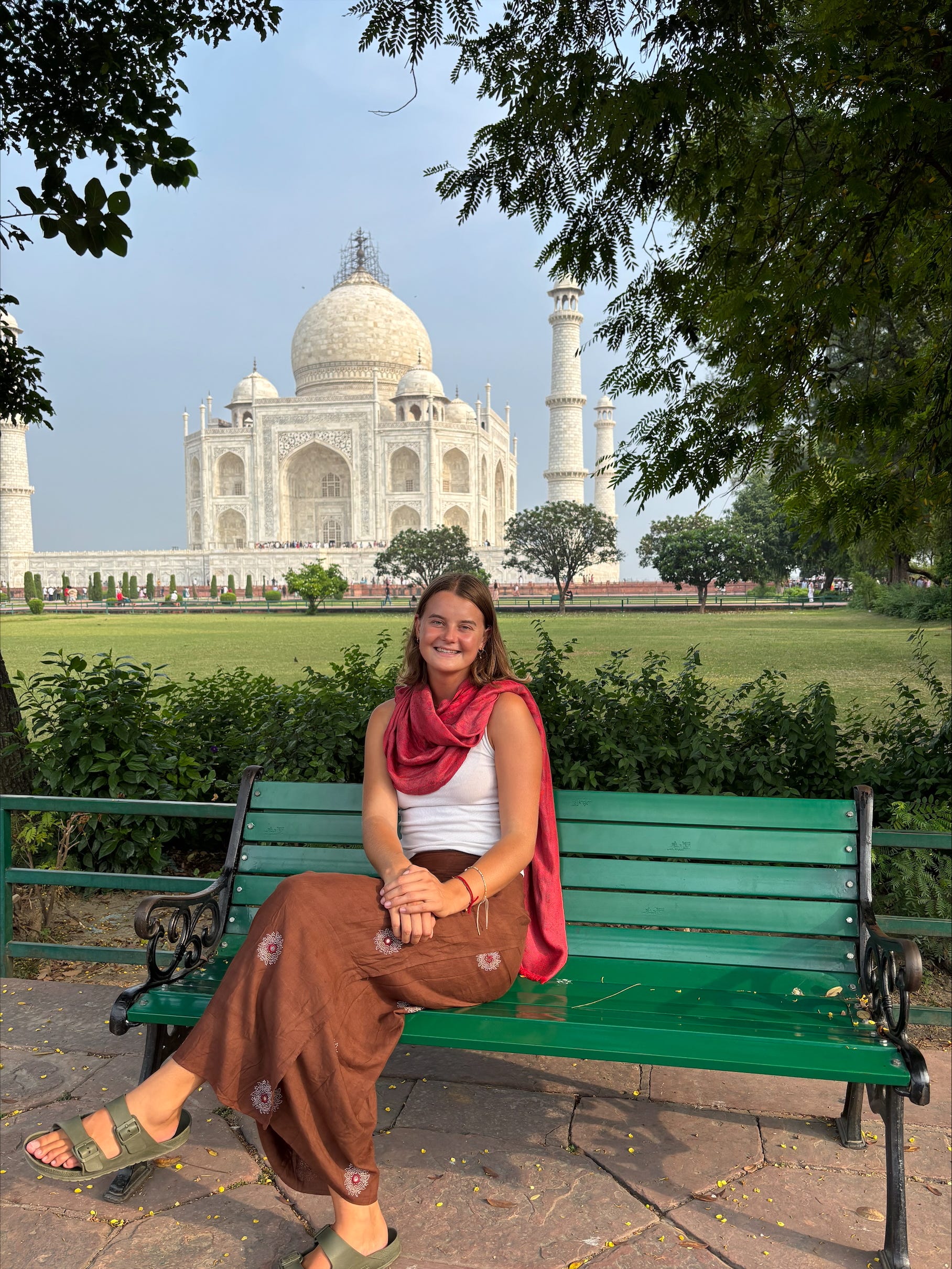
Sam Summerfield is a 24-year-old medical student in her final year, living in Nelson, New Zealand. Outside of her studies, she has a love for travel, ocean swimming, yoga (she completed her teacher training in India last year), reading, and drinking tea. Sam writes for fun, and was encouraged by her sister to start a Substack a few months ago.
Substack ID: Sam Summerfield
Have something to share? Submit your own reflections or stories to be featured in The Open Letters. Send your work to hasifnewsletter@gmail.com. For more details, check out this post: Submit your Essays and get Featured.
Hasif,
Editor-in-Chief, The Open Letters
“You’re so emotional”
"Oh, well, thank goodness for that"
God, how i love this quote.
I really appreciated the way you describe the tension between experiencing emotion and pathologising it. That line is where so much of psychiatry actually lives.
What stayed with me most is your point that distress itself isn’t automatically the disorder — the question is when life becomes impossible to live inside it.
Context matters so much in that distinction.